The FIFA World Cup is not only a sporting event.
It is also a major economic engine.
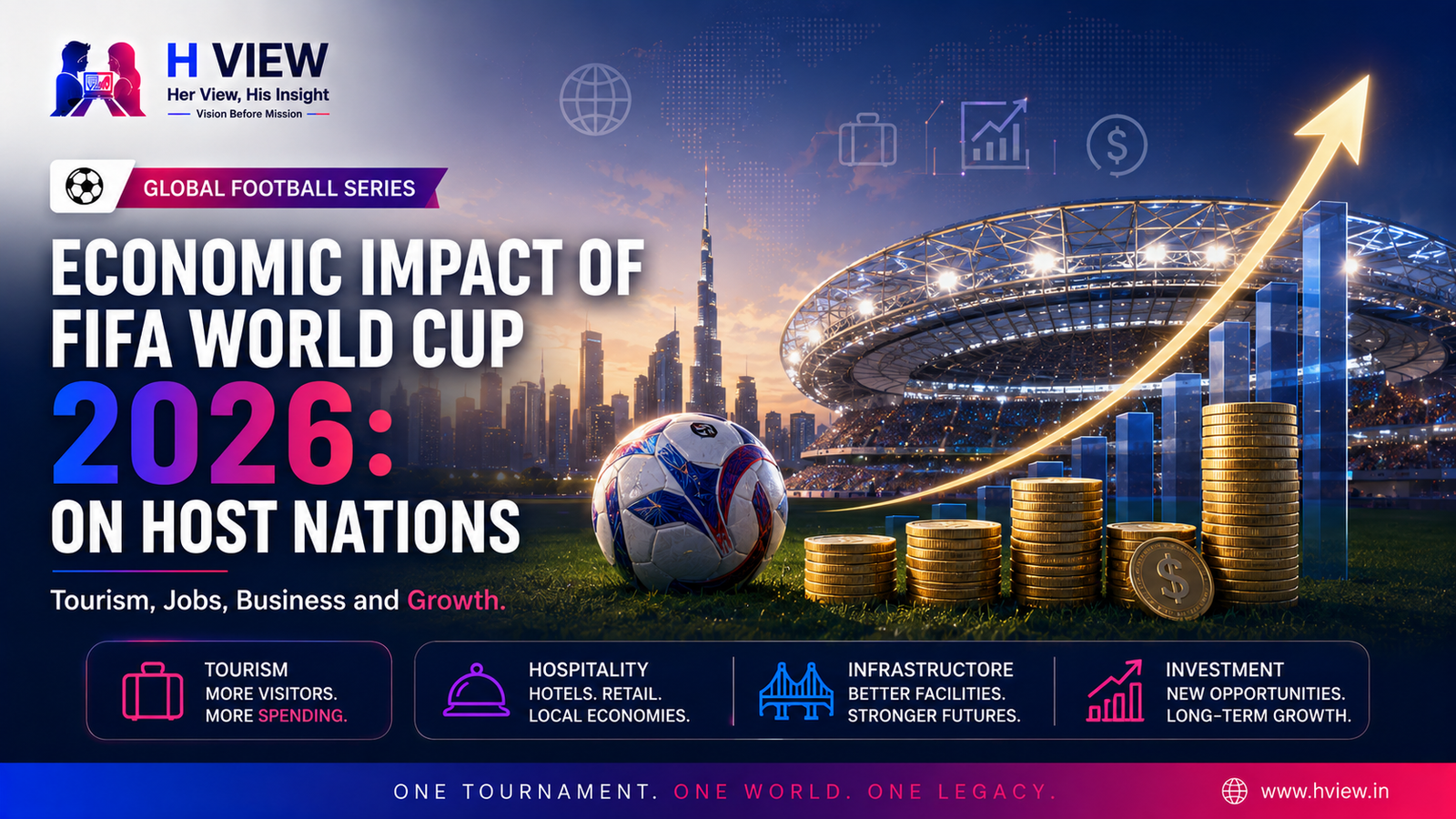
FIFA World Cup 2026 will bring millions of fans, global media attention, business opportunities, tourism growth, and infrastructure demand across the United States, Canada, and Mexico.
Tourism and Travel
World Cup fans travel from every part of the world.
They book flights, hotels, local transport, restaurants, tours, and entertainment. This creates strong activity in the tourism sector.
Host cities can benefit from increased global visibility.
A city that hosts World Cup matches may attract future tourists even after the tournament ends.
Hospitality and Local Business
Hotels, restaurants, cafés, shops, taxi services, event companies, and local vendors often see increased demand during major tournaments.
For small businesses near stadiums and fan zones, the World Cup can create a short-term revenue boost.
Merchandise, food, beverages, and local experiences become part of the fan journey.
Jobs and Event Management
Large tournaments require workers across many areas.
Security, transport, cleaning, hospitality, media, ticketing, stadium operations, technology, and customer support all need manpower.
This creates temporary and sometimes long-term employment opportunities.
Infrastructure Development
World Cup hosting often encourages improvements in stadiums, transport systems, airports, public areas, and digital infrastructure.
The real value depends on how useful these investments remain after the tournament.
Good planning can create a positive legacy. Poor planning can create unused facilities and financial pressure.
Broadcasting and Sponsorship
The World Cup attracts global attention.
Broadcasters, sponsors, advertisers, and digital platforms all benefit from massive fan engagement.
For brands, the tournament creates a chance to connect with emotionally invested audiences.
Football is not only watched. It is felt.
That emotional connection increases commercial value.
The Risk of Overestimating Benefits
While the World Cup can create economic benefits, not every impact is automatically positive.
Hosting costs, security expenses, travel challenges, and infrastructure spending must be managed carefully.
The best outcomes happen when host nations plan for long-term use, not just short-term celebration.
H View Perspective
The economic impact of FIFA World Cup 2026 will depend on balance.
The tournament can bring tourism, business, jobs, and visibility. But the real success will be measured by what remains after the final whistle.
A great World Cup should create memories for fans and lasting value for communities.
FAQs
It boosts tourism, hospitality, transport, jobs, broadcasting, and local business activity.
They can benefit if infrastructure and global visibility are used well.
Yes. Large events require major planning and spending.
Useful infrastructure, stronger tourism, community benefits, and long-term sports development.
Final Takeaway
FIFA World Cup 2026 will create major economic activity across North America.
But the true impact will depend on whether the tournament leaves behind sustainable benefits, not just short-term revenue.