Vitamin D, vitamin K and magnesium all have important roles in the body, but that does not mean everyone needs to take them together. Supplement marketing often presents the three as a “synergy” that directs calcium into bones and keeps it out of arteries. That simple story goes beyond what current evidence can establish. Here is what each nutrient does, what remains uncertain and how to think about supplements safely.
What each nutrient does
Vitamin D helps the body absorb calcium
Vitamin D is made in the skin after exposure to ultraviolet B light and is also available from some foods and supplements. One established function is helping the intestine absorb calcium. Vitamin D deficiency can harm bone health, but more is not automatically better: very high supplement intakes can cause dangerously high calcium levels and other complications. Blood testing and treatment decisions belong with a qualified clinician, especially for people with symptoms, chronic conditions or medicines that affect calcium.
Vitamin K is involved in blood clotting and bone proteins
Vitamin K is a family of compounds. Vitamin K1 is found mainly in leafy green vegetables; K2 refers to several menaquinones found in some animal and fermented foods. The body needs vitamin K to make proteins involved in blood clotting and bone metabolism. Researchers continue to study whether K supplements improve outcomes such as bone or heart health. It is not established that taking K2 with vitamin D prevents calcium from building up in arteries or guarantees stronger bones.
Magnesium supports many enzyme processes
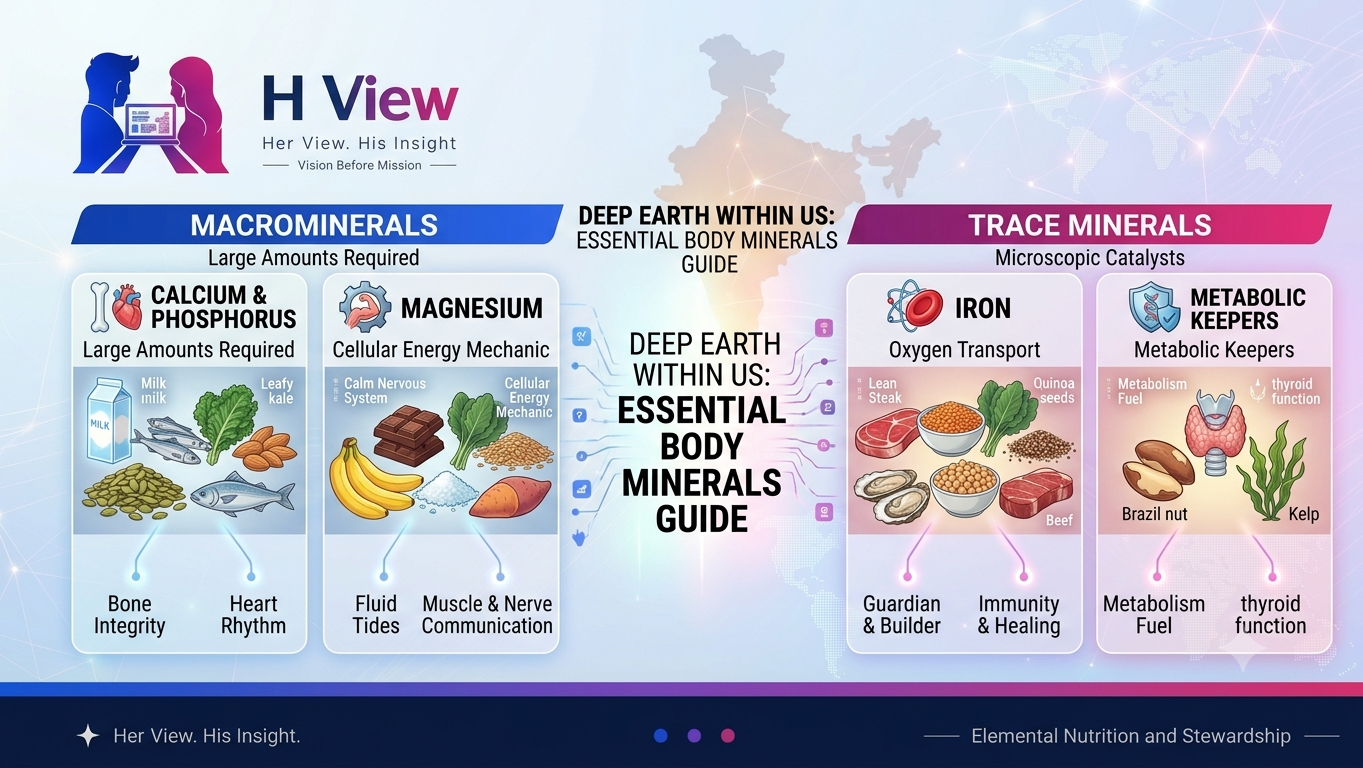
Magnesium is needed for hundreds of enzyme systems, including processes related to muscle and nerve function, energy production and bone structure. It is found in foods such as beans, lentils, nuts, seeds, whole grains and leafy greens. Magnesium also participates in vitamin D metabolism, but this biological relationship does not mean that every person taking vitamin D needs a magnesium supplement. A symptom such as fatigue, cramps or poor sleep has many possible causes and cannot diagnose a deficiency on its own.
Does taking all three together provide a proven benefit?
The nutrients interact with normal body processes, but interaction is not proof that a combined supplement improves health for everyone. Claims that K2 “routes” calcium away from arteries, that vitamin D depletes magnesium in every user, or that this combination prevents cardiovascular disease should be treated cautiously. Evidence for many proposed supplement benefits is mixed, and study results do not always show that a supplement prevents illness or improves outcomes.
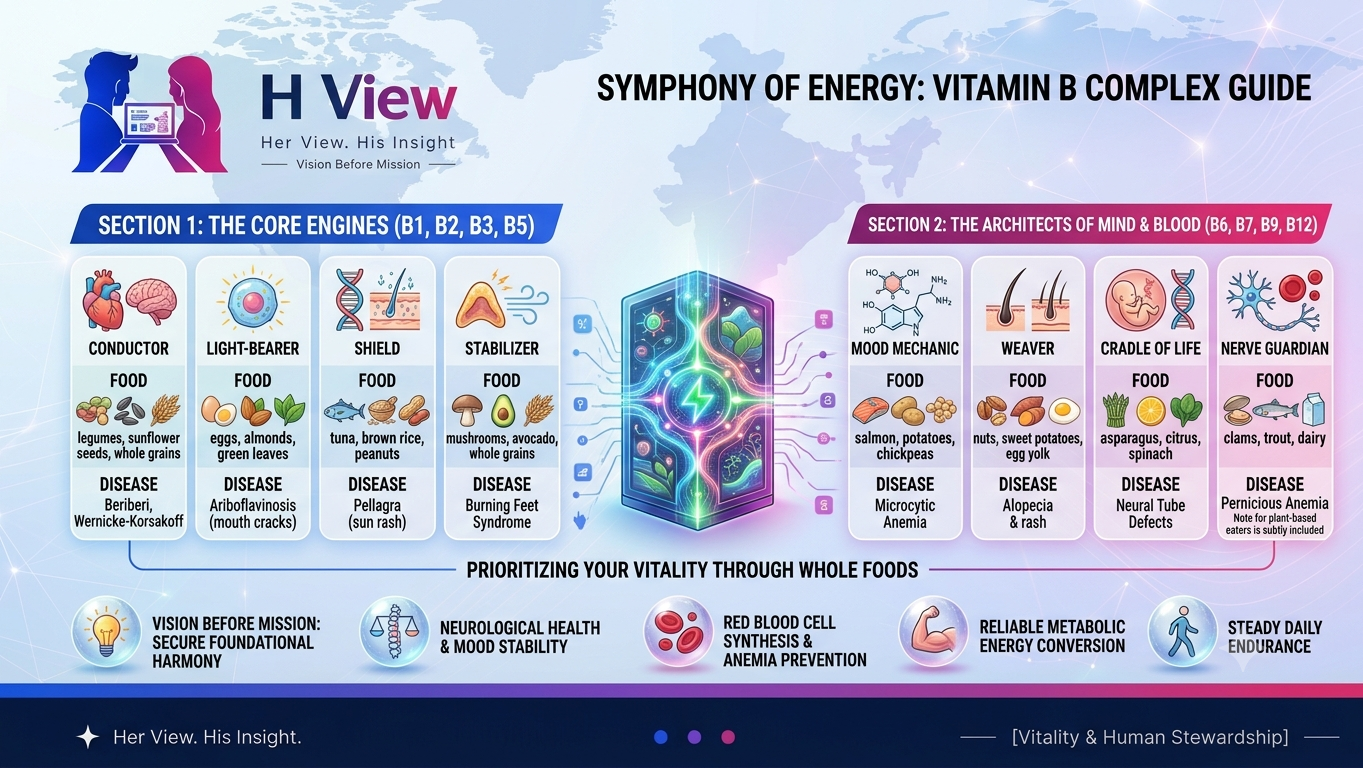
For most people, the practical starting point is a varied diet and advice tailored to their health history. In Indian meals, lentils and beans, nuts and seeds, whole grains and green vegetables can contribute magnesium and vitamin K1. Vitamin D is less abundant in foods; some products are fortified, and dietary sources vary. Sun exposure is affected by season, location, clothing, skin tone and time outdoors, so it is not a reliable treatment plan for everyone.
A safer way to decide about supplements
- Start with the reason. Ask a doctor or registered dietitian whether a symptom, condition, test result or dietary pattern suggests a specific need.
- Check the label and total dose. Supplements and some antacids or laxatives can add to daily intake. High doses of vitamin D or magnesium can cause harm; food and supplements are not interchangeable in every case.
- Review medicines first. Vitamin K can affect the action of warfarin. People taking warfarin should keep vitamin K intake consistent and speak with their prescriber before changing their diet or starting a supplement. Magnesium can also interact with some medicines.
- Avoid replacing care with a supplement stack. Do not start or stop a prescribed medicine, or use supplements to treat a diagnosed condition, without guidance from a qualified health professional.
For more practical context, see our Health archive and our guide to vitamins and food sources. We are revising older health articles to distinguish established facts from claims that need stronger evidence.
Frequently asked questions
Should I take vitamin D, K2 and magnesium together?
There is no one combination that is appropriate for everyone. Whether to take a supplement depends on your diet, health, medicines and clinical advice; ask a qualified professional before starting a regimen.
Does vitamin K2 prevent calcium from entering arteries?
Vitamin K activates certain proteins, but it has not been proven that taking K2 supplements prevents arterial calcification or cardiovascular events. Do not use this claim as a reason to self-treat.
Can magnesium deficiency be identified from cramps or tiredness?
No. These symptoms can have many causes. A clinician can consider your history, medicines and appropriate tests rather than relying on symptoms alone.
Sources and further reading
- U.S. National Institutes of Health Office of Dietary Supplements, Vitamin D: Fact Sheet for Health Professionals.
- U.S. National Institutes of Health Office of Dietary Supplements, Vitamin K: Fact Sheet for Health Professionals.
- U.S. National Institutes of Health Office of Dietary Supplements, Magnesium: Fact Sheet for Health Professionals.
Health information note: This article is for general education and is not a diagnosis or a substitute for personalised medical advice. Speak with a qualified health professional about testing, supplements, medicines, pregnancy or a health condition.